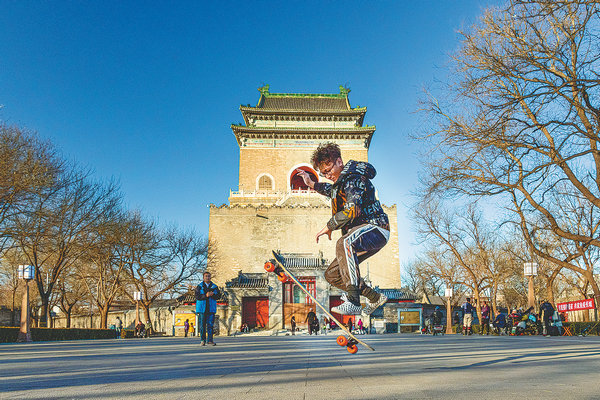
Bell Tower and Drum Tower
Introduction
The Bell Tower and Drum Tower stand as iconic symbols at the northern end of Beijing's Central Axis, an alignment of historic and cultural significance within China's capital. These twin structures, once pivotal in the city's timekeeping system, are integral components of a 7.8-kilometer north-south line that includes renowned sites such as the Forbidden City and Tian'anmen Square. The Bell Tower and Drum Tower, situated at the northern extremity of this axis, contribute not only to Beijing's architectural grandeur but also to its historical and cultural narrative, representing centuries of history interwoven with urban development.
History
Origin and Construction
The origins of the Bell Tower and Drum Tower trace back to China's Yuan Dynasty (1271-1368), a period marked by significant architectural and urban planning advancements within Beijing. The towers were originally constructed to serve as the city's primary timekeeping mechanisms, ringing out the hours for the city's inhabitants. Their establishment was a reflection of the Chinese civilization's deep understanding of astronomy and time, as well as the strategic importance of Beijing in the Yuan Dynasty's governmental and cultural activities.
Historical Significance
Throughout their history, the Bell Tower and Drum Tower have witnessed the ebb and flow of dynasties, from the Yuan to the Ming (1368-1644) and Qing (1644-1911) periods. They have served as silent observers to the transformation of Beijing, adapting to the city's evolving needs while maintaining their role as cultural and temporal landmarks. Historically, these towers underscored the significance of order and harmony in urban planning, embodying the philosophical ideals that guided ancient Chinese governance and societal structure.
Architecture
Design Features
The architectural design of the Bell Tower and Drum Tower is distinct, with each tower showcasing unique elements reflective of traditional Chinese aesthetics. The Bell Tower, characterized by its robust structure and intricate detailing, houses an enormous bronze bell. Meanwhile, the Drum Tower features a grand drum platform and is adorned with intricate carvings and embellishments that speak to its role in ceremonial functions. Both towers exemplify the Ming and Qing architectural styles, with their symmetrical layouts and ornate wooden construction indicative of their historical periods.
Materials Used
The construction of the Bell Tower and Drum Tower utilized materials typical of traditional Chinese architecture, including grey bricks, large wooden beams, and glazed tiles. The towers' robust construction materials were chosen not only for their durability but also for their ability to convey the aesthetic beauty and cultural significance of the structures. The use of such materials has ensured the towers' endurance through the ages, allowing them to remain standing as historical testaments to China's architectural prowess.
Functionality
Timekeeping Role
The primary function of the Bell Tower and Drum Tower was to serve as the main timekeeping instruments for the city of Beijing. The bell and drum were used to announce the time of day, with specific intervals marked by the tolling of the bell and the beating of the drum. This system was critical in maintaining the daily rhythm of life in ancient Beijing, offering a sense of order and regularity to the city's inhabitants.
Cultural and Social Functions
Beyond their timekeeping functions, the Bell Tower and Drum Tower have held significant cultural and social roles throughout their history. They have served as venues for public ceremonies and festivals, bringing the community together in celebration and observance of cultural traditions. Today, they continue to function as cultural landmarks, hosting a variety of events that celebrate Beijing's rich heritage and offering visitors a glimpse into the city's storied past.
Preservation and Restoration
Conservation Efforts
Preservation efforts for the Bell Tower and Drum Tower have been ongoing, reflecting the importance of these structures as cultural and historical treasures. Restoration projects have been undertaken to maintain the towers' structural integrity and aesthetic beauty, ensuring that they withstand the test of time. These efforts are crucial in retaining the towers' historical authenticity while adapting to the modern urban landscape of Beijing.
Modern Usage
In contemporary times, the Bell Tower and Drum Tower have been repurposed to accommodate cultural and educational activities. They are open to the public, allowing visitors to explore their historical significance and architectural splendor. Modern usage of these towers includes exhibitions, cultural performances, and educational programs aimed at fostering an appreciation for Beijing's heritage and promoting the preservation of its historical landmarks.
Cultural Impact
Influence on Architecture
The architectural design and significance of the Bell Tower and Drum Tower have had a lasting impact on both domestic and international architectural practices. They serve as prime examples of the integration of functionality and aesthetics in historic Chinese architecture, influencing subsequent building designs within China and inspiring preservation and restoration methodologies globally.
Role in Local Culture
The Bell Tower and Drum Tower continue to play an integral role in Beijing's local culture, serving as symbols of the city's rich historical narrative and cultural identity. They remain central to community activities and cultural expressions, embodying the historical continuity and cultural diversity that define Beijing's unique character.








